
Blue Light: Is It Really a Threat to Your Eyes and Health?
What Is Blue Light?
Blue light is a segment of the visible light spectrum with short wavelengths and high energy, roughly spanning 380 to 500 nanometers (nm). It is abundant in natural sunlight, which is why the sky appears blue. Digital devices and LED lighting also emit blue light, though at significantly lower intensities compared to sunlight.
Effects on Eye Health
Research to date has not provided conclusive evidence that blue light from everyday digital device use directly causes serious damage to the retina or lens. However, prolonged screen time is well-documented to cause eye strain and dryness, a condition often referred to as “digital eye strain” or “computer vision syndrome.” When focusing on screens, people tend to blink less frequently, leading to dry, irritated eyes and symptoms like grittiness or blurred vision.
Impact on Sleep and Circadian Rhythms
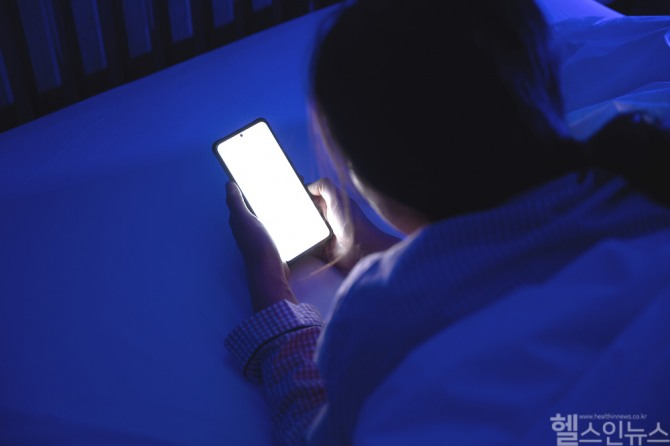
Blue light also influences the body’s internal clock. Exposure to blue light in the morning, particularly from sunlight, helps promote wakefulness and alertness. Conversely, exposure at night—especially from smartphones or tablets before bedtime—can suppress the production of melatonin, the hormone that facilitates sleep, making it harder to fall asleep. Thus, blue light’s effects depend heavily on the timing and context of exposure, rather than being inherently harmful.
Does Blue Light Affect Skin?
Emerging research suggests that blue light may induce oxidative stress in skin cells, potentially contributing to aging or pigmentation. However, these findings primarily stem from laboratory studies, and it remains unclear whether typical exposure from digital screens significantly impacts skin in real-world settings.
Practical Tips for Managing Blue Light
While completely blocking blue light is unnecessary, adopting smart habits can help protect eye health. Experts recommend taking regular breaks from screens to look at distant objects, which relaxes the eyes. Using “night mode” settings or reducing screen color temperature in the evening can minimize strain and sleep disruption. Maintaining an appropriate distance from screens and, most importantly, limiting overall screen time are among the most effective strategies.
Blue light is a double-edged sword. While it lacks definitive evidence of causing significant eye damage, it undeniably contributes to eye strain and sleep disturbances. Rather than succumbing to alarmist views, prioritizing healthy screen habits and regular eye care is the key to managing its effects.
Oh Ha Eun / press@themedik.kr


Headlines
-
 K-medical
Why Korean Dermatologists Will Ask You to Remove Your Makeup — and Why They Are Right
-
 K-Culture & Travel
Your Essential Guide to Seoul's T-Money Card: Save Money and Travel Smarter in South Korea
-
 K-medical
What to Do If You Fall Ill in South Korea: A Traveler's Guide to Fast, Affordable Emergency Care
-
 K-medical
Why Winter Is Prime Time for Medical Tourism in South Korea
-
 K-medical
Seoul’s Cutting-Edge Clinics or Busan’s Healing Coast: Choosing Your Perfect Korean Medical Journey
-
 Wellness
Why ‘People Don’t Change Easily’ Is Only Half the Story: The Psychology of Personality vs. Character
-
 Healthcare
Finding a Lump in Your Breast: Why It’s Not Always Cancer and What to Do Next
Doctors & Hospitals
-
 Healthcare
Why Some Patients Stop Responding to Botox — and How to Prevent It
-
 Healthcare
Eczema: Blending Conventional Relief With Korean Herbal Medicine for Lasting Skin Health
-
 Healthcare
Warts: Beyond Simple Removal—Focus on Immunity for Lasting Relief
-
 Healthcare
AI-Powered Smartphone Tool Opens New Path for Early Autism Screening in South Korea
-
 News
News
Korean Surgeon Pioneers Remote Bladder Cancer Surgery Training Using Da Vinci 5 Platform
-
 Healthcare
Myocardial Infarction Risks Surge in Fall: How to Protect Your Heart
-
 Healthcare
Innovative Korean Acupuncture Therapy Offers Hope for Acne Scar Treatment

Media Introduction | Advertising Partnership
Contact us
Email : press@themedik.kr
All content on medi·K is protected by copyright. Unauthorized reproduction, distribution, or use of any material without permission from Health in News is strictly prohibited. © medi·K, All Rights Reserved.