
Why Some Patients Stop Responding to Botox — and How to Prevent It
[Physician's Column] By Dr. Yang Ho-joon, Director, Makkeun Yoon Dermatology Clinic, Guui Branch
The mechanism is straightforward: the toxin temporarily blocks the release of acetylcholine at the neuromuscular junction, preventing muscle contraction. Wrinkles relax, overdeveloped muscles atrophy slightly, and the effect typically lasts three to six months. With repeated treatments, however, a minority of patients develop neutralizing antibodies that blunt or eliminate the drug’s effectiveness—a phenomenon known as immunoresistance or secondary non-response.
Resistance tends to emerge when injections are spaced too closely or when products containing higher amounts of accessory proteins are used repeatedly. These complexing proteins, though inactive, can trigger the immune system to produce antibodies that also neutralize the core neurotoxin.
In recent years, highly purified formulations with minimal complexing proteins have gained traction because they lower the risk of antibody formation while delivering more predictable results at the same dose. The growing availability of multiple botulinum toxin type A products—each with distinct potency, duration, and diffusion characteristics—has given physicians greater flexibility, provided they understand these pharmacologic differences and tailor dosing accordingly.
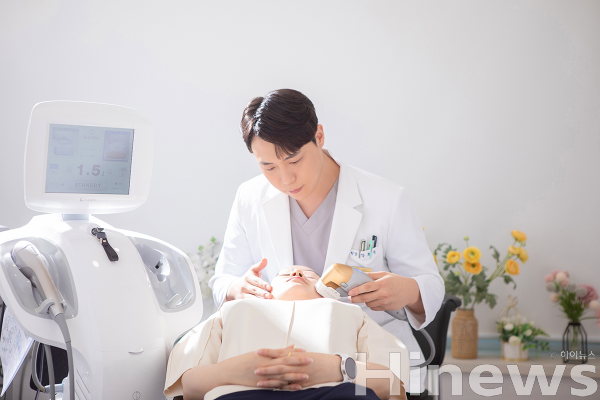
At its core, botulinum toxin treatment is not merely wrinkle erasure; it is a form of precise neuromuscular modulation. Outcomes hinge on the injector’s experience, mastery of facial anatomy, and judicious product selection.
The convenience and immediacy of results ensure the procedure’s enduring appeal, but the conversation has shifted. Today, mitigating resistance and safeguarding long-term efficacy have become central priorities—for both patients and practitioners who rely on evidence rather than trends.
Lim Hye Jung medi·K TEAM press@themedik.kr


Headlines
-
 K-medical
Why Korean Dermatologists Will Ask You to Remove Your Makeup — and Why They Are Right
-
 K-Culture & Travel
Your Essential Guide to Seoul's T-Money Card: Save Money and Travel Smarter in South Korea
-
 K-medical
What to Do If You Fall Ill in South Korea: A Traveler's Guide to Fast, Affordable Emergency Care
-
 K-medical
Why Winter Is Prime Time for Medical Tourism in South Korea
-
 K-medical
Seoul’s Cutting-Edge Clinics or Busan’s Healing Coast: Choosing Your Perfect Korean Medical Journey
-
 Wellness
Why ‘People Don’t Change Easily’ Is Only Half the Story: The Psychology of Personality vs. Character
-
 Healthcare
Finding a Lump in Your Breast: Why It’s Not Always Cancer and What to Do Next
Doctors & Hospitals
-
 Healthcare
Why Some Patients Stop Responding to Botox — and How to Prevent It
-
 Healthcare
Eczema: Blending Conventional Relief With Korean Herbal Medicine for Lasting Skin Health
-
 Healthcare
Warts: Beyond Simple Removal—Focus on Immunity for Lasting Relief
-
 Healthcare
AI-Powered Smartphone Tool Opens New Path for Early Autism Screening in South Korea
-
 News
News
Korean Surgeon Pioneers Remote Bladder Cancer Surgery Training Using Da Vinci 5 Platform
-
 Healthcare
Myocardial Infarction Risks Surge in Fall: How to Protect Your Heart
-
 Healthcare
Innovative Korean Acupuncture Therapy Offers Hope for Acne Scar Treatment

Media Introduction | Advertising Partnership
Contact us
Email : press@themedik.kr
All content on medi·K is protected by copyright. Unauthorized reproduction, distribution, or use of any material without permission from Health in News is strictly prohibited. © medi·K, All Rights Reserved.