
As Winter Bites, Pet Kneecaps Slip: The Hidden Threat of Patellar Luxation in Dogs and Cats
[Physician's Column] By Dr. Jung-Tae Choi, Director, Wiv Animal Medical Center, Gimpo, South Korea
The patella is a small, rounded bone at the front of the knee that glides in a groove on the femur, stabilizing the joint between the thigh and shin. When it slips out of this femoral trochlear groove—medially in most cases or laterally in some—the knee buckles, triggering pain and instability. Left unchecked, this seemingly minor misalignment can erode articular cartilage, deform bone, and condemn a pet to chronic discomfort.
Patellar luxation ranks among the most frequent orthopedic disorders in dogs, particularly in small breeds like Maltese and Bichon Frises. Early signs are subtle: intermittent skipping or holding up a hind limb. Over time, however, cartilage wears down, bones remodel abnormally, and lameness becomes persistent.
Causes split into congenital and acquired. Genetically, some dogs inherit a shallow trochlear groove or bowed limbs that predispose the patella to escape. Acquired cases often stem from trauma—landing hard after a leap from furniture, for instance—or obesity, which amplifies load on the joint and accelerates displacement.
Veterinarians grade the condition from 1 to 4. Grade 1: The patella sits normally but can be manually luxated and spontaneously reduces. Grade 2: It luxates intermittently, causing occasional lameness; manual reduction is possible. Grade 3: Persistent luxation, with the patella reducible only by force. Grade 4: Fixed luxation, profound deformity, and near-total disuse of the limb.
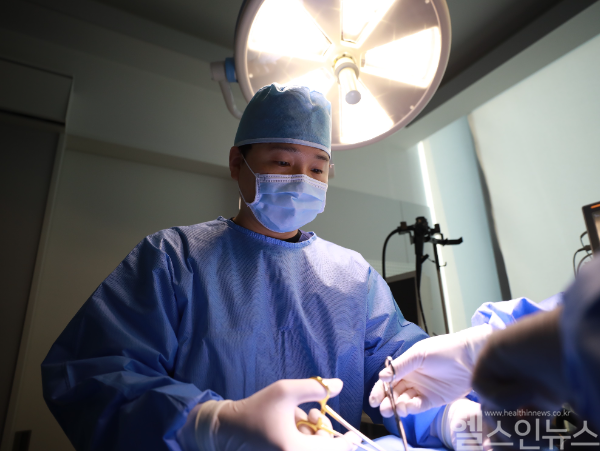
Treatment hinges on severity. Early-stage management focuses on weight control, muscle strengthening, and slip-proof flooring. Beyond Grade 2, surgery is typically required: deepening the trochlear groove, realigning soft tissues, and sometimes performing tibial tuberosity transposition or corrective osteotomy to restore alignment.
Postoperative care demands strict rest. For two to three weeks, eliminate walks, jumps, and stairs. Gradual rehabilitation—physical therapy, controlled exercise, stretching—rebuilds strength and prevents recurrence.
Prevention is paramount, as luxation can recur even after successful surgery. Cover slick floors with rugs or mats. Install ramps or steps to curb high jumps. Maintain consistent indoor warmth in winter to keep joints supple and muscles relaxed.
Patellar luxation, if ignored, sentences a pet to lifelong pain. Any sign—limping in dogs, reluctance to leap in cats—demands prompt veterinary attention. Early intervention preserves mobility and quality of life. A guardian’s vigilance, from daily observation to environmental tweaks, is the surest shield against this insidious winter aggravator.
Lim Hye Jung / press@themedik.kr


Headlines
-
 K-medical
Why Korean Dermatologists Will Ask You to Remove Your Makeup — and Why They Are Right
-
 K-Culture & Travel
Your Essential Guide to Seoul's T-Money Card: Save Money and Travel Smarter in South Korea
-
 K-medical
What to Do If You Fall Ill in South Korea: A Traveler's Guide to Fast, Affordable Emergency Care
-
 K-medical
Why Winter Is Prime Time for Medical Tourism in South Korea
-
 K-medical
Seoul’s Cutting-Edge Clinics or Busan’s Healing Coast: Choosing Your Perfect Korean Medical Journey
-
 Wellness
Why ‘People Don’t Change Easily’ Is Only Half the Story: The Psychology of Personality vs. Character
-
 Healthcare
Finding a Lump in Your Breast: Why It’s Not Always Cancer and What to Do Next
Doctors & Hospitals
-
 Healthcare
Why Some Patients Stop Responding to Botox — and How to Prevent It
-
 Healthcare
Eczema: Blending Conventional Relief With Korean Herbal Medicine for Lasting Skin Health
-
 Healthcare
Warts: Beyond Simple Removal—Focus on Immunity for Lasting Relief
-
 Healthcare
AI-Powered Smartphone Tool Opens New Path for Early Autism Screening in South Korea
-
 News
News
Korean Surgeon Pioneers Remote Bladder Cancer Surgery Training Using Da Vinci 5 Platform
-
 Healthcare
Myocardial Infarction Risks Surge in Fall: How to Protect Your Heart
-
 Healthcare
Innovative Korean Acupuncture Therapy Offers Hope for Acne Scar Treatment

Media Introduction | Advertising Partnership
Contact us
Email : press@themedik.kr
All content on medi·K is protected by copyright. Unauthorized reproduction, distribution, or use of any material without permission from Health in News is strictly prohibited. © medi·K, All Rights Reserved.