
Arthroscopic Surgery: A Minimally Invasive Solution for Joint Pain
[Health Insights] By Ho-Dong Moon, MD, Vice Director of Clinical Services, Park Ae Hospital (Orthopedic Surgery Specialist)
Modern advancements have introduced the arthroscope, a slender camera about the width of a finger, enabling physicians to view the interior of a joint and perform precise treatments. Using the arthroscope alongside specialized tools, doctors can accurately remove or repair damaged tissue.
Arthroscopic procedures are frequently utilized for conditions affecting major joints such as the knee, shoulder, and ankle. Common issues include meniscal tears in the knee, anterior cruciate ligament (ACL) injuries, rotator cuff damage in the shoulder, and cartilage issues in the ankle. Arthroscopy is especially effective as it can identify injuries that may not be fully visible on MRI or CT scans, serving as a vital tool for both diagnosis and treatment.
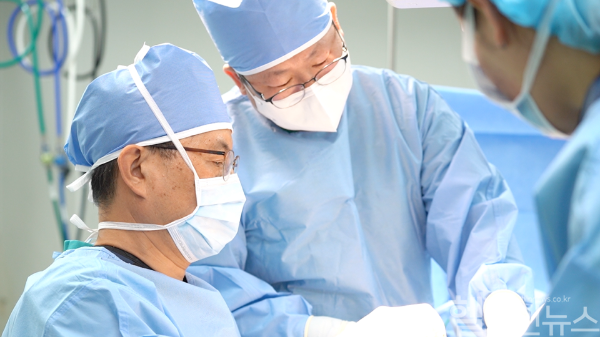
A major benefit of arthroscopic surgery is its minimally invasive nature. It involves only small incisions, resulting in reduced bleeding and minimal scarring. These smaller incisions also lower the risk of infection. While recovery times differ based on the patient’s condition, arthroscopy generally promotes quicker healing compared to traditional open surgery.
Surgery is only part of the treatment journey. Rehabilitation plays a crucial role, starting with managing swelling and pain, then progressing to restoring joint mobility. Subsequent strengthening exercises help ensure joint stability. Committed rehabilitation is essential for a successful return to everyday activities.
Arthroscopic surgery provides an effective method for diagnosing and treating joint issues with minimal incisions. For individuals experiencing persistent joint pain that impacts daily life, consulting a medical professional to explore the most appropriate treatment options is strongly advised.
Kim Kuk Ju / press@themedik.kr


Headlines
-
 K-medical
Why Korean Dermatologists Will Ask You to Remove Your Makeup — and Why They Are Right
-
 K-Culture & Travel
Your Essential Guide to Seoul's T-Money Card: Save Money and Travel Smarter in South Korea
-
 K-medical
What to Do If You Fall Ill in South Korea: A Traveler's Guide to Fast, Affordable Emergency Care
-
 K-medical
Why Winter Is Prime Time for Medical Tourism in South Korea
-
 K-medical
Seoul’s Cutting-Edge Clinics or Busan’s Healing Coast: Choosing Your Perfect Korean Medical Journey
-
 Wellness
Why ‘People Don’t Change Easily’ Is Only Half the Story: The Psychology of Personality vs. Character
-
 Healthcare
Finding a Lump in Your Breast: Why It’s Not Always Cancer and What to Do Next
Doctors & Hospitals
-
 Healthcare
Why Some Patients Stop Responding to Botox — and How to Prevent It
-
 Healthcare
Eczema: Blending Conventional Relief With Korean Herbal Medicine for Lasting Skin Health
-
 Healthcare
Warts: Beyond Simple Removal—Focus on Immunity for Lasting Relief
-
 Healthcare
AI-Powered Smartphone Tool Opens New Path for Early Autism Screening in South Korea
-
 News
News
Korean Surgeon Pioneers Remote Bladder Cancer Surgery Training Using Da Vinci 5 Platform
-
 Healthcare
Myocardial Infarction Risks Surge in Fall: How to Protect Your Heart
-
 Healthcare
Innovative Korean Acupuncture Therapy Offers Hope for Acne Scar Treatment

Media Introduction | Advertising Partnership
Contact us
Email : press@themedik.kr
All content on medi·K is protected by copyright. Unauthorized reproduction, distribution, or use of any material without permission from Health in News is strictly prohibited. © medi·K, All Rights Reserved.